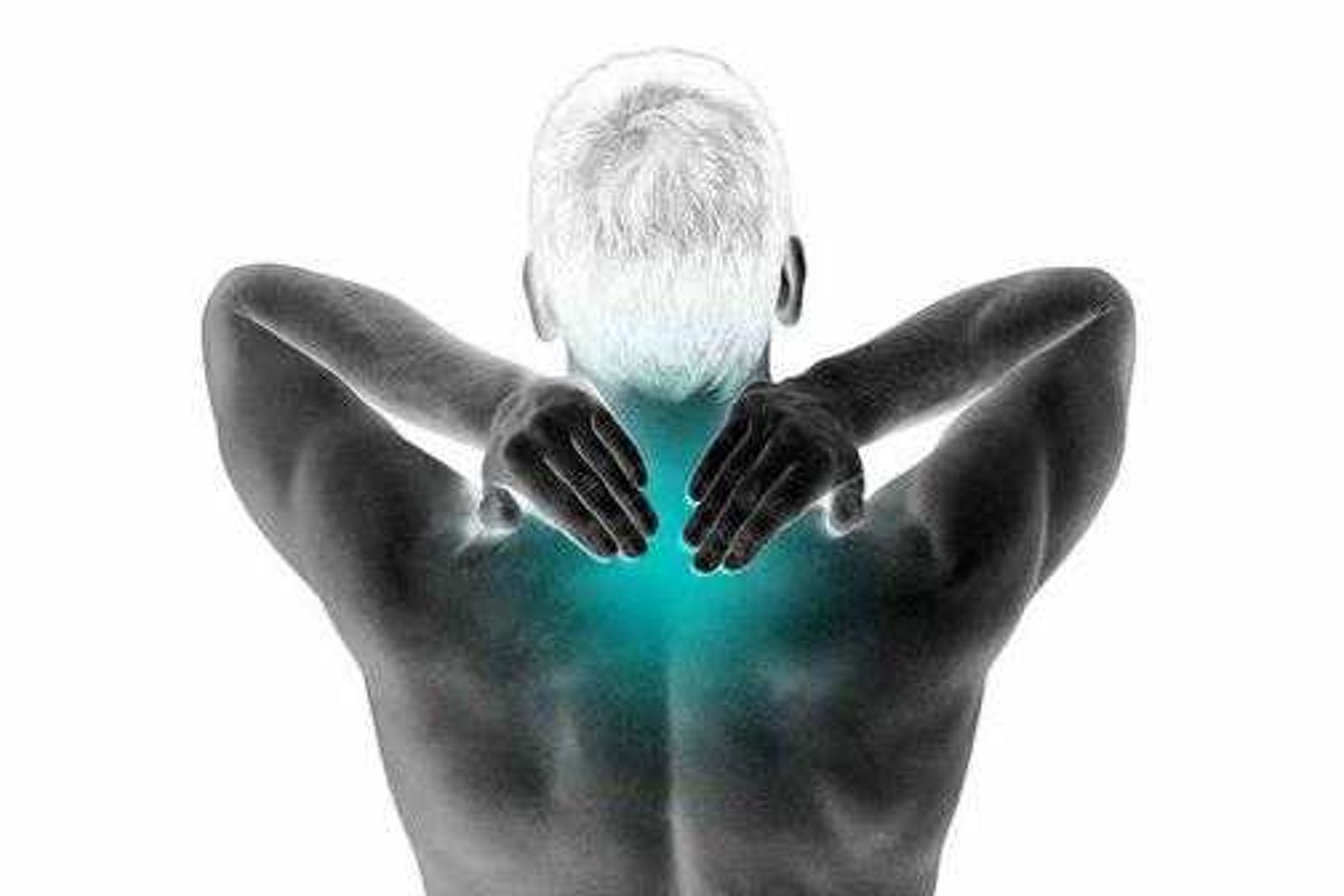
Have you ever experienced how emotional pain can lock tension inside your body, where it starts causing actual physical pain?
Or perhaps you’ve noticed how your stomach tightens and your whole body tenses up when a car suddenly speeds past while you're walking along the road? What if you have lived with this kind of tension or pain for as long as you can remember, and no doctor or massage therapist has been able to offer a lasting solution? Maybe you've reached a point where you simply shrug your shoulders, quietly accepting that this is just an inevitable part of life.
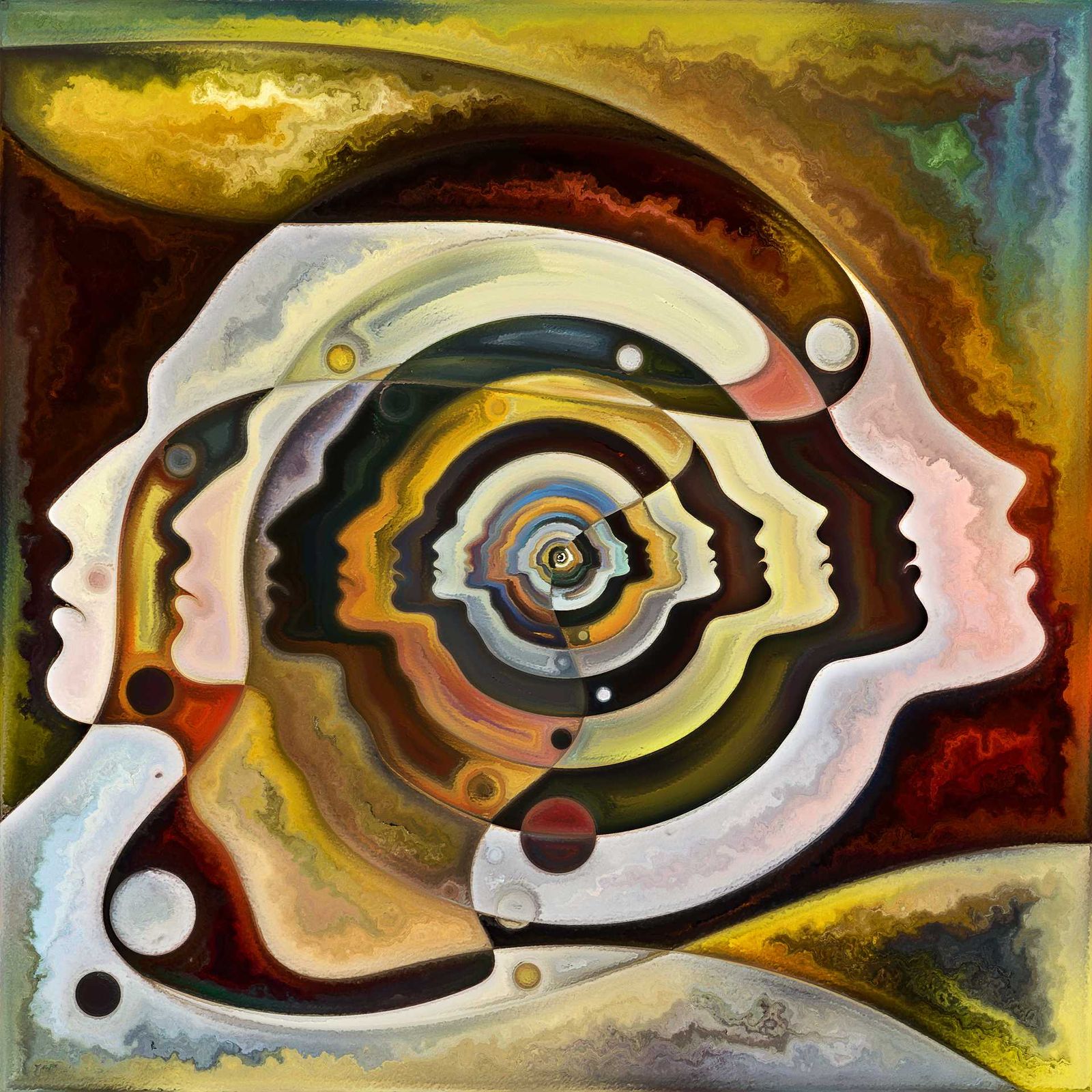
According to primal theory, human consciousness is simplified into three parts:
- instinctive consciousness, regulated by the brainstem
- emotional consciousness, regulated by the limbic system
- intellectual consciousness, regulated by the cerebral cortex
In a healthy individual, these layers of consciousness work in harmony for the good of the entire organism, forming a singularly functioning mind. This allows you to be a feeling, clearly thinking individual whose instincts, emotions, impulses, and thoughts are not separate, disconnected entities, but function as a unified, conscious whole. However, early-life trauma (such as a difficult birth) disrupts this harmony, splitting the wholeness of our consciousness.
"If a child's parents abandon him in early infancy, he is not yet able to interpret the situation as 'they don't love me, they don't want to be with me.' But the message is still there — as a feeling. This fragile system can no longer react normally or be itself. It has to shut down in order to carry on with life. The emotional memory can hold immense sadness and emptiness, without any recollection of the specific event that caused it, but the memory as a feeling remains. By the time they reach adulthood, we call this 'depression'." — Dr A. Janov ("Why You Get Sick and How You Get Well", translation). Ultimately, it doesn't matter which outlet pain chooses — whether it manifests as anxiety, insomnia, illness caused by physical overexertion, or a complete detachment from reality — the core truth remains the same: a painful memory disconnected from the conscious mind must find a way to surface to release the body's tension. The problem, however, is that this old, unmet need is trapped in the very part of consciousness where we resided when that unmet need first arose. For example, if a baby cries in their cot, needing breast milk and a warm embrace, but their mother has decided it is sleep time and allows them to cry themselves to sleep in distress on an empty stomach — and this happens repeatedly — this desperate need is stored in the preverbal part of consciousness. Later in life, we simply cannot reach it with words alone. It becomes locked-in tension.
As a result, you might find yourself feeling an insatiable need for quick, sensory pleasures to relieve your tension, without realising that the true feeling is a long-capsulated bodily need for your mother’s breast and closeness. Since the infant cannot have the breast, they must find a substitute need or another way to repress their distress.
Because the intellectual consciousness, which handles interpretation and inhibition, only begins to play an active role from around the age of six, a child may learn to lock the tension of trauma-induced pain (such as unmet needs) deep into their muscles and joints to suppress it. This response becomes an automatic, subconscious habit that stays with them for life, turning into a defining part of their existence. Due to a diminished connection with the body, it becomes rigid and numb, the flow of energy is blocked, and the capacity to experience the pure pleasure of living is lost. (To be continued…)
Linda Pukk 02 December 2023