What is a relaxing massage in Tallinn and why your body needs it
In today's fast-paced world, especially in a bustling environment like Tallinn, our nervous systems are often chronically overstimulated. The constant stream of information, professional demands, logistics, and personal responsibilities keep us in a subconscious 'fight or flight' state. In this state, the body forgets how to truly rest. A relaxing massage in Tallinn is therefore not just a luxury, but a vital practice for maintaining your physical and mental well-being. It is a dedicated time when you don't have to achieve anything, help anyone, or make a single decision.
Linda's approach is deeply holistic. After more than 10 years of practice, she knows that we cannot look at the body as an isolated machine. Your body is a living archive, storing all your daily tensions, suppressed emotions, and everyday stress. When you experience anxiety or worry in your mind, it is inevitably reflected in your physical self – in tight shoulders, a stiff lower back, or short, shallow breathing.
The power of a safe space and listening to your body
Unlike intense and sometimes painful therapies, this soothing massage is based on the principle that deep relaxation can only occur in a state of absolute safety. The body cannot be forced to relax through heavy pressure if it feels threatened on the inside. Gentle, smooth, and rhythmic movements send a clear signal to your nervous system: 'You are safe here. You can truly let go.'
Some key signs that your body is longing for a deep, supportive touch:
- Chronic fatigue and lack of energy that doesn't seem to lift even after a long night's sleep
- A constant inner anxiety, restlessness, or a feeling of always being in a hurry
- Your breathing has become shallow, with an unexplained tension or heaviness building up in your chest
- Muscle numbness and stiffness, especially in the neck, shoulders, and shoulder blades
- Difficulty falling asleep because your mind is racing and your body can't find a comfortable position in bed
- General sensory overload – sounds, light, and even the proximity of other people feel overwhelming
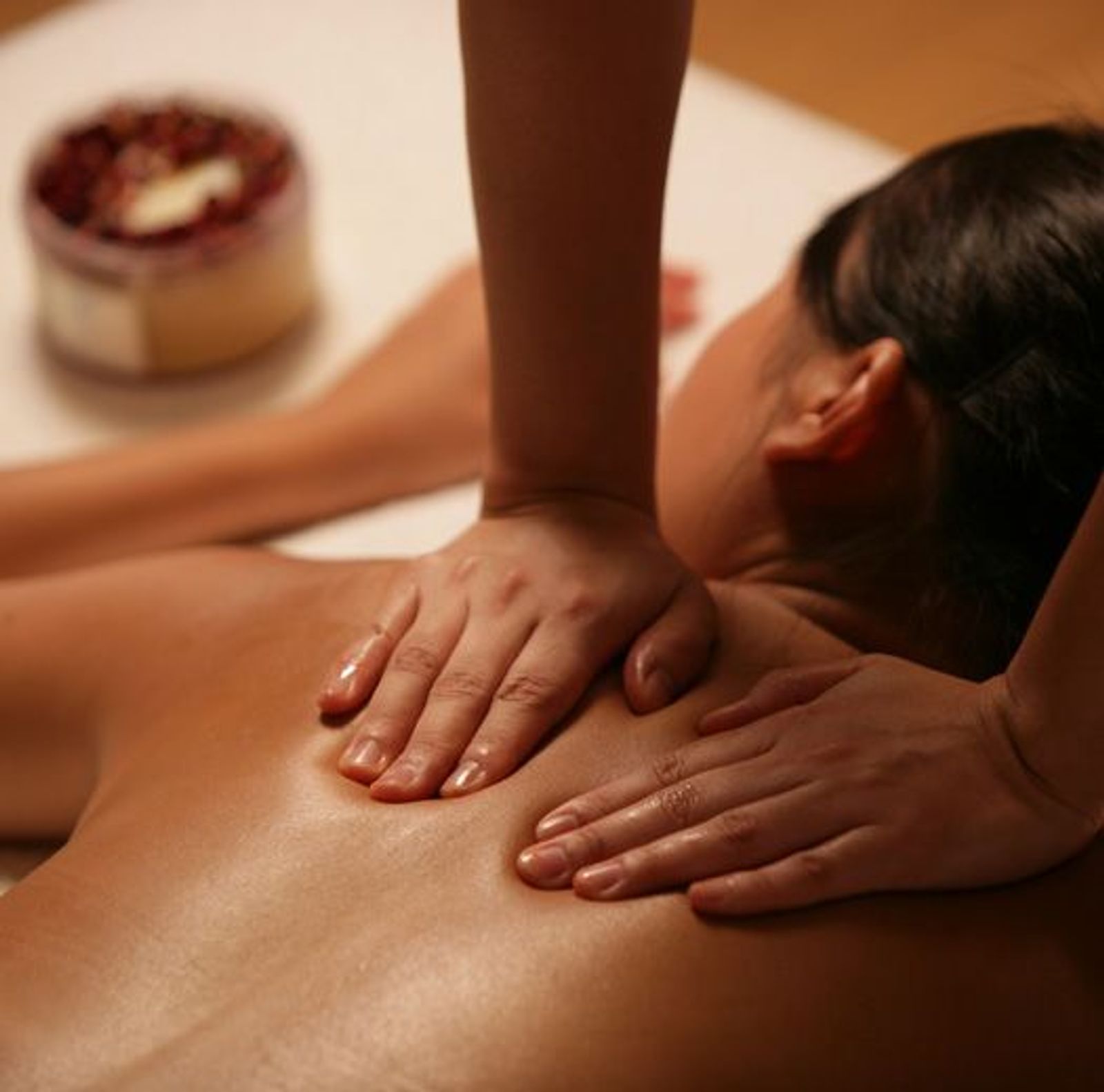
In the cosy therapy space located at Tina 5/1, we create an environment where the outside world and its demands are left at the door. Warm oil, a calming atmosphere, and a conscious, mindful touch help your body remember what it feels like to be deeply held and free. This is not a rushed process, but a slow journey back to your own centre.
Switching off the nervous system – the science and sensation behind rest
Our nervous system is designed to protect us from danger, responding to every stressful situation by releasing adrenaline and cortisol. In nature, this mechanism is short-lived, but in modern society, we often get stuck in this state of high alert. Constant deadlines, expectations, and worries keep the body in the sympathetic (fight-or-flight) mode. A deep restorative massage is a direct way to break this vicious cycle.
Through a gentle and conscious touch, Linda helps your body activate the parasympathetic nervous system – the part of our biology responsible for rest, digestion, and cellular recovery. When this mode is activated, invisible yet profoundly important healing processes begin to take place within the body.
Biological and emotional changes during a session
During deep relaxation, your body isn't just lying still; it is actively recovering. Here are some of the specific processes triggered by this soothing of the nervous system:
- Your heart rate slows and stabilises, giving your cardiovascular system a much-needed rest
- Your breathing shifts from shallow chest breathing to deep abdominal breathing, which oxygenates the blood far more efficiently
- Blood and lymph circulation improves in muscle fibres, helping to flush out lactic acid and metabolic waste accumulated in the tissues
- The brain begins to produce endorphins and oxytocin – hormones that create a natural sense of well-being and reduce physical pain
- Brainwave frequency slows down from beta waves (active thinking) to alpha and even theta waves (a deep meditative state)
This process cannot be rushed. That is why Linda recommends taking your time and often choosing a 60–90 minute session. Your body needs time to understand the new environment, test its safety, and then begin releasing tension layer by layer. If you also want to work through the deeper emotional patterns that cause physical tension in the first place, it is often incredibly supportive to combine this somatic approach with conscious body psychotherapy.
Who is a soothing massage especially important and suitable for
While anyone can benefit from conscious touch, there are certain life stages and situations where a deep rest in the body is no longer just a preference, but a critical need. This service is designed specifically with those in mind whose daily lives are filled with high responsibility and constant self-giving.
This approach is extremely supportive if you fit into any of the following profiles:
- Office workers and managers: Long hours at a screen, constant decision-making, and persistent mental pressure drain the body. Massage offers an antidote to mental overload, bringing your focus out of your head and back into your body.
- Parents and caregivers: Those whose role is to constantly care for others often forget their own needs. In this space, nothing is expected of you – here, you are the one being taken care of.
- People with anxiety and sleep issues: When your system is constantly anxious, the body needs manual soothing. A gentle, rhythmic touch acts like a soothing balm for your nerves, helping to restore your natural sleep-wake cycle.
- Clients with high sensitivity to pain: If you cannot tolerate the intense pressure typical of sports massage, and your body tenses up in response to deep force, a gentle massage is the perfect choice for you.
Give yourself permission to do nothing
In our culture, the belief that we must always be productive is deeply ingrained. We even tend to plan and optimise our rest. This service at Välgatus Ruum challenges that expectation. You come here to switch off from demands – even the expectation that you must somehow relax 'correctly' during the massage. Every person's journey is unique; some bodies let go in the first few minutes, while others require several sessions.
If you feel that besides calming your nervous system, you also need deeper tissue work and myofascial release, you might want to look into the MER massage offered by Linda, which is also holistic but reaches deeper into the muscular structures.
How a typical session unfolds at Välgatus Ruum
Many people feel a slight uncertainty before their first massage session – what to expect, how to behave, what to say. To help you feel confident before you even step through the door, here is an overview of how a typical session unfolds at our studio in Tallinn city centre.
1. Arrival and settling in (5–10 min) When you arrive at Tina 5/1, Linda will welcome you at a calm, relaxed pace. We will sit down for a moment, have some water or tea, and talk about how you are feeling today. You can share which areas of your body need more attention and what your general emotional state is. This is not a formal questionnaire, but a warm, human, and supportive conversation.
2. Preparation and privacy You will be given private time to undress. Warm towels and blankets await you on the massage table. You will lie down and cover yourself. The room has soft lighting and, if you wish, soothing music playing gently in the background. Linda ensures the table is comfortable, using pillows to support your knees or ankles if needed.
3. The massage process (50–80 min) The process usually begins with the back and shoulders, moving smoothly over the entire body. I use high-quality, warm massage oil to help my hands flow effortlessly. The movements are long, connective, and rhythmic. Linda does not seek out painful knots to break them down with force; instead, she works to soothe your entire system. Many clients describe it like the rolling of ocean waves – continuous, supportive, and lulling.
4. Waking up and integration (5–10 min) As the session comes to an end, Linda will signal this with soft, grounding touches. You do not need to jump up immediately. You will have time to lie still, breathe deeply, and slowly return to the present. Afterwards, you will have private time to dress and drink some more water before stepping back into the rhythm of the city.
Relaxing vs. sports massage – which one is right for you?
The world of massage is vast, and navigating the different terms can be confusing. One of the most common questions is: should I choose a relaxing massage or a firmer therapeutic/sports massage? While both have their valuable place and purpose, their methodology and impact on the nervous system are fundamentally different.
The table below highlights the key differences to help you make the best choice for your body:
| Focus | Relaxing massage | Sports massage / Classical therapeutic massage |
|---|---|---|
| Primary goal | Soothing the nervous system, stress relief, deep rest | Resolving specific muscle issues, physical recovery |
| Pressure intensity | Gentle to medium, always pain-free and flowing | Firm, intense, can sometimes be uncomfortable or painful |
| Focus of work | Whole-body harmony, mental calmness, holistic awareness | Problem areas, trigger points, muscle knots, localised pain |
| Pace and rhythm | Slow, flowing, with long connecting strokes | More dynamic, targeted, often faster and precise |
| Best suited for | Overexhaustion, anxiety, emotional tension, burnout prevention | Sports injuries, intense physical exertion, severe pain from repetitive strain |
Is pain always necessary?
There is a common myth that 'if it doesn't hurt, it isn't working'. This is not always true. If your body is already stressed, your nervous system perceives additional pain as a new threat, causing your muscles to subconsciously tense up even more to protect themselves.
Deep, gentle, and pain-free work opens different doors in the body. This gentle massage shows your body that there is no danger. Once a sense of safety is established, even the most stubborn tension points often begin to 'melt' away on their own. In this way, the body can heal through support and care, rather than force and strain.
How to bring the peace you've achieved into your daily life
The deep relaxation and lightness achieved on the massage table is wonderful, but our goal at Välgatus Ruum is to support you so that this peace carries over into your everyday life. After the session, you step back onto the streets of Tallinn, back to your responsibilities and relationships. How can you maintain this new, balanced state for longer?
First and foremost, aftercare is essential. Allow yourself a slower pace for the rest of the evening. Your body is doing the work of integrating this new state. If possible, go for a walk by the sea or read a book, avoiding the harsh blue light of screens.
To create sustainable change, consider the following steps:
- Listen to your breathing throughout the day: If you notice yourself holding your breath or breathing very shallowly at work, consciously take three deep, slow breaths into your abdomen. This immediately signals to your brain that you are safe.
- Schedule self-care: Many clients find that integrating massage into their monthly routine helps prevent deep exhaustion. Since you can use Stebby compensation at Välgatus Ruum, investing in your health is made simple and accessible.
- Notice your body's boundaries: Learn to recognise the first signs of tension in your body — whether it is clenching your jaw or raising your shoulders toward your ears. Noticing these is the first step toward shifting the pattern.
If you feel ready to offer your body and mind deep respect and rest, you are warmly welcome. The first step toward valuing yourself is often simply booking time for yourself. Linda creates a space where all your feelings and states are held, respected, and accepted exactly as they are.